Use the food name you know
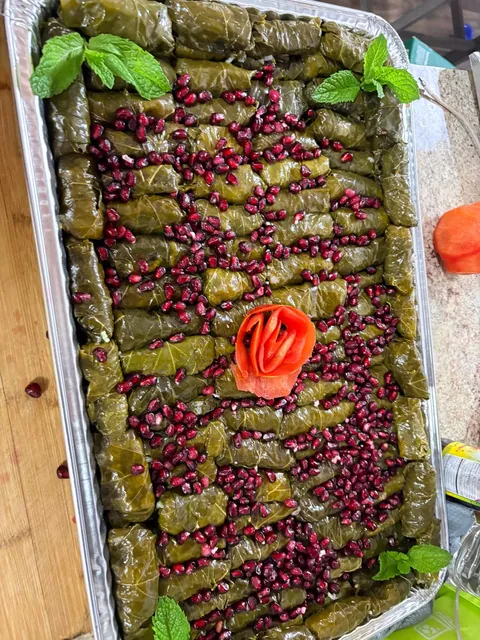
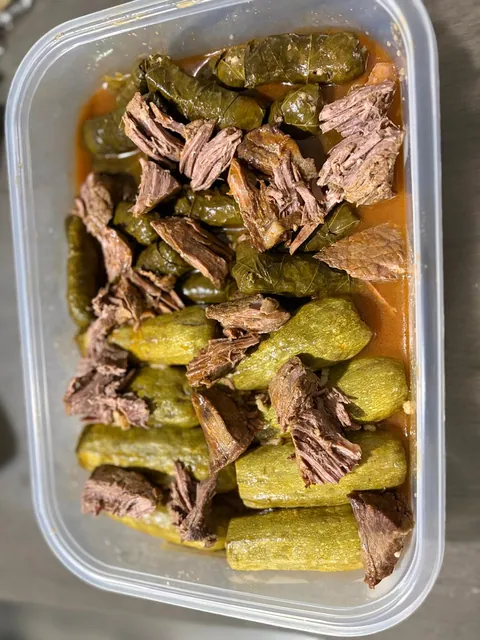
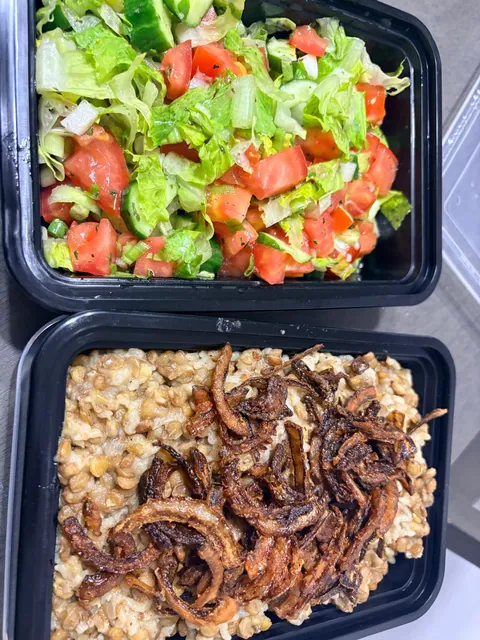
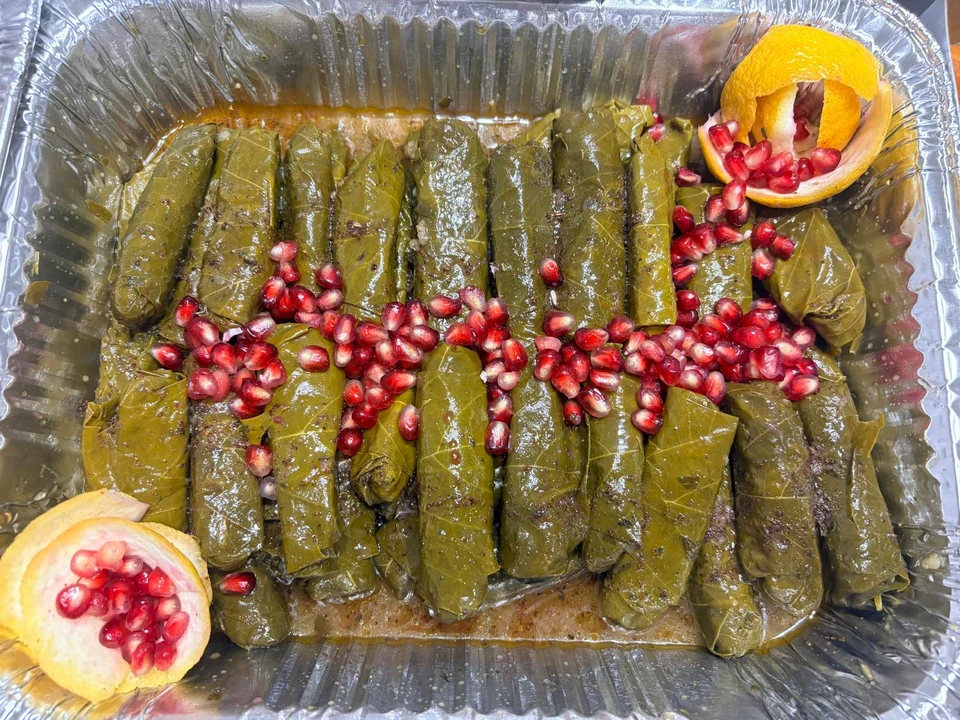
You may know grape leaves as warak enab, zucchini as kousa, or lentils and rice as mjadara. English spellings vary, so the catalogue groups related names on one dish page. You can also send the exact food photo. The purpose is to help the kitchen understand your request, not make you choose the “correct” transliteration.
Be specific about family preparations
A regional label can cover many different meals. Explain the ingredients or method you remember when a particular version matters. Ask whether Z can make that dish and whether it fits the current menu. A shared name is not proof of an identical filling or sauce.
Keep the order connected to evidence
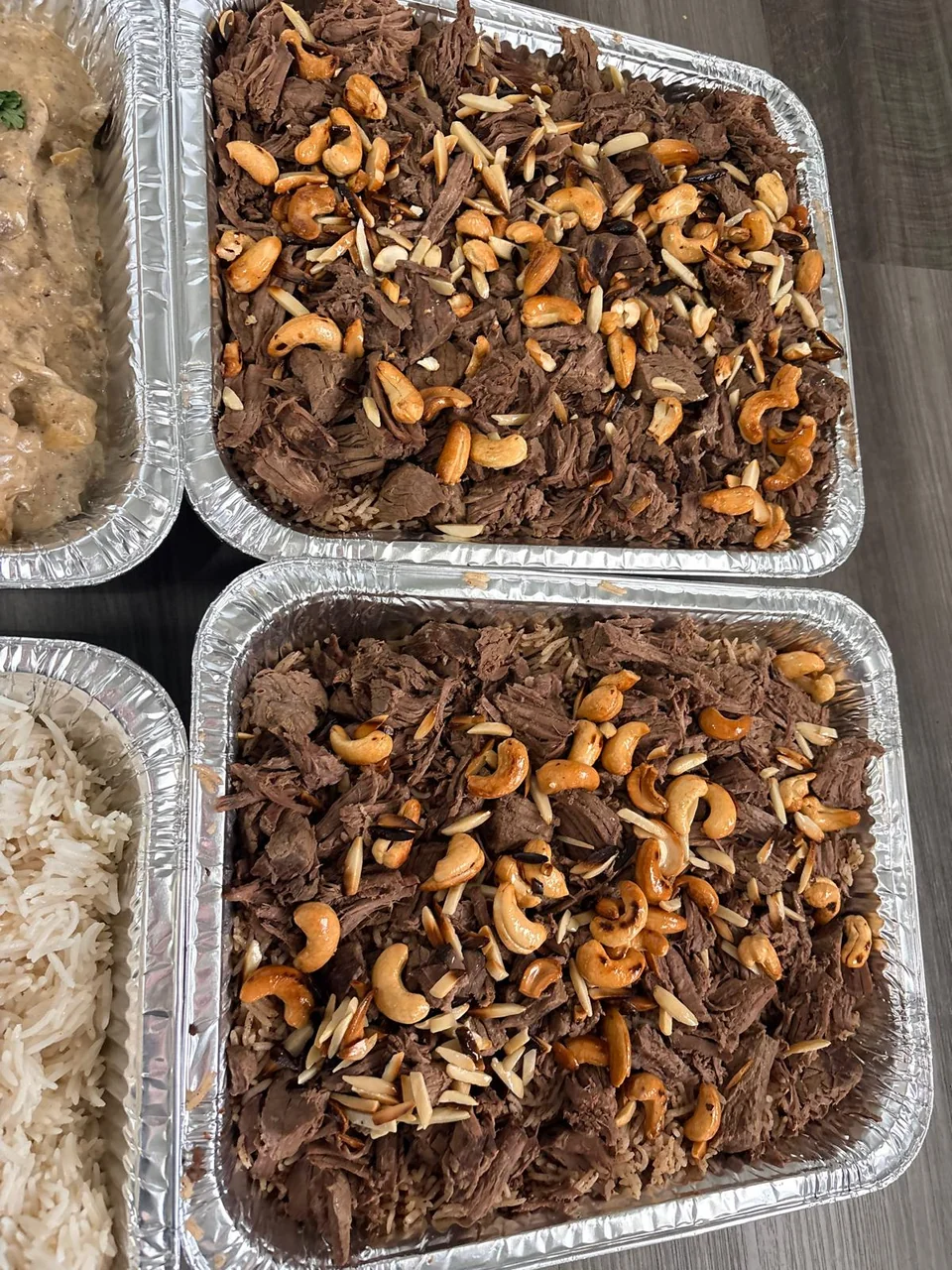
The five named dishes come from Z’s supplied menu, while the wider food collection comes from her real photographs. Some images have deliberately broad labels because the exact recipe was not confirmed. Those pages let you ask Z to identify the food without the website inventing a name.
Turn the idea into dinner
Once you have selected a few dishes, give Z the date, city and group size. Explain what else will be served and whether you want individual meals or family trays. Confirm availability, the full amount, ingredients that matter and arrangements before paying.