Start with the actual requirement
“No nuts” and a serious nut allergy are different conversations. “Vegetarian” may leave questions about stock and cooking fat. Explain what needs to be avoided and how strict the requirement is, without asking the kitchen to guess. Z can then say whether the request is possible for the dishes and date being discussed.
Look beyond the visible topping
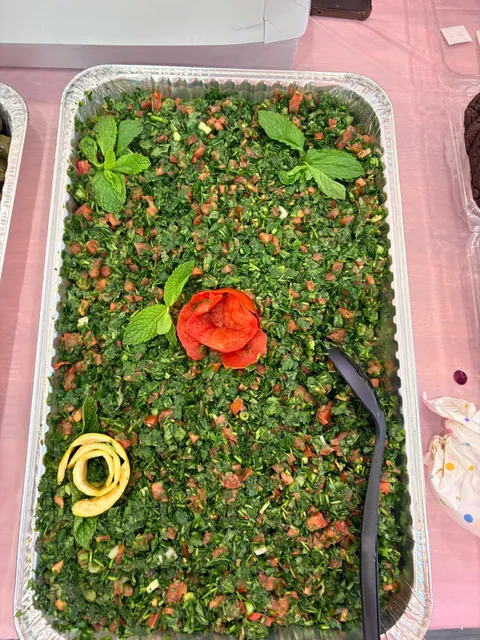
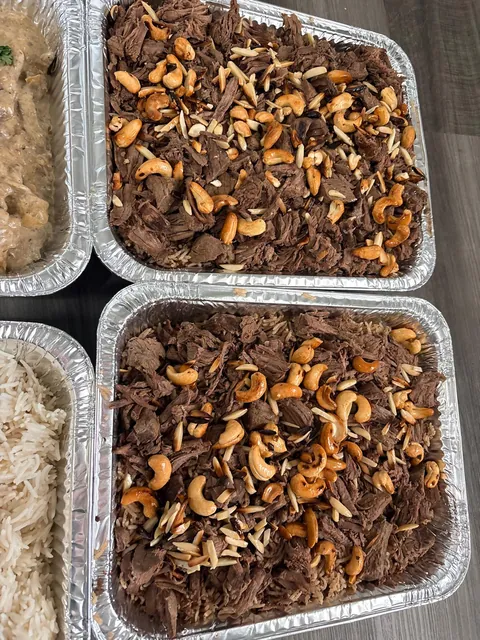
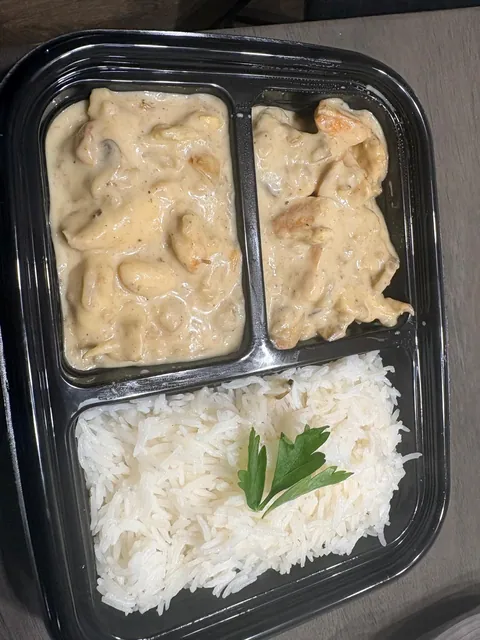
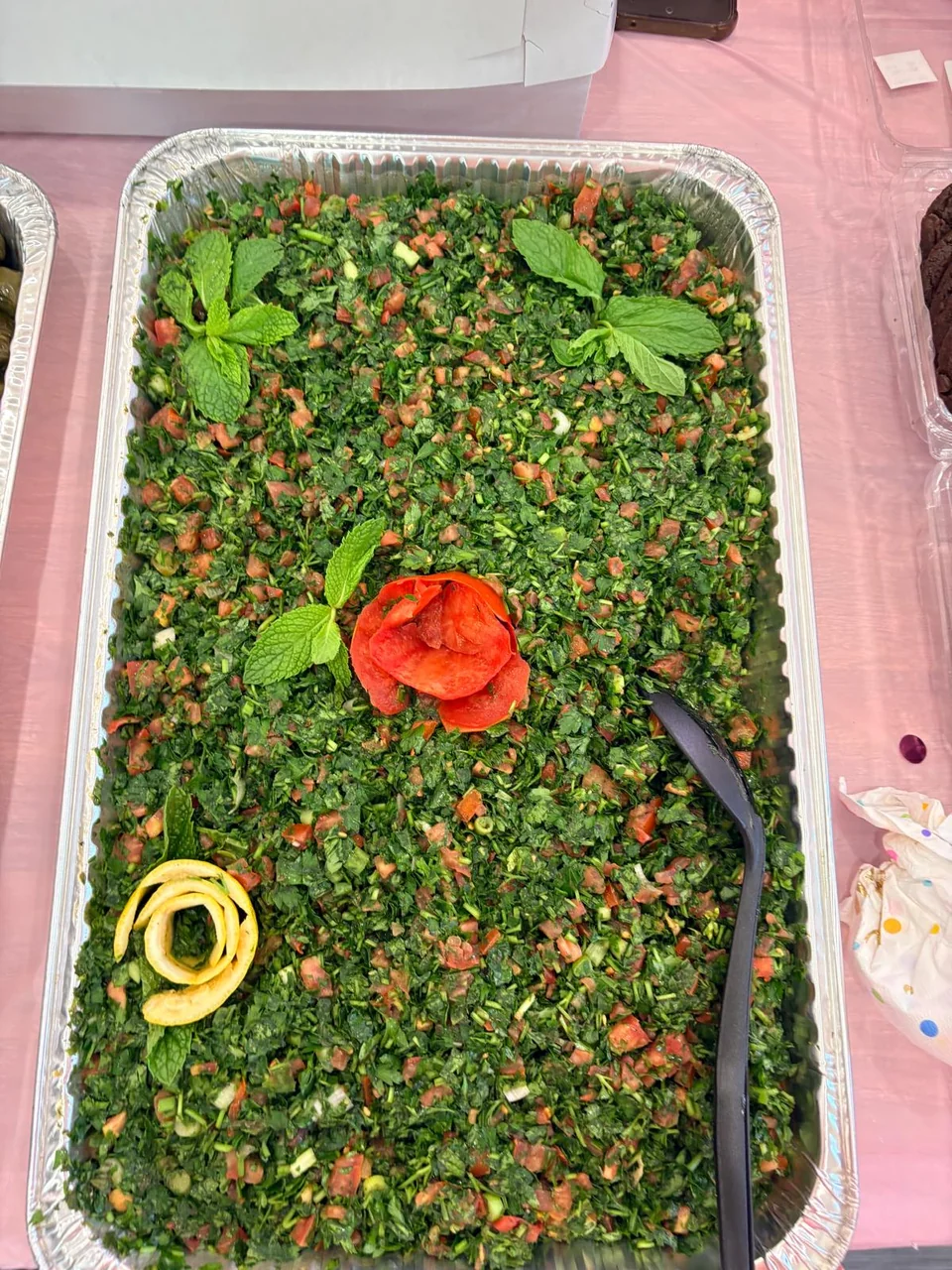
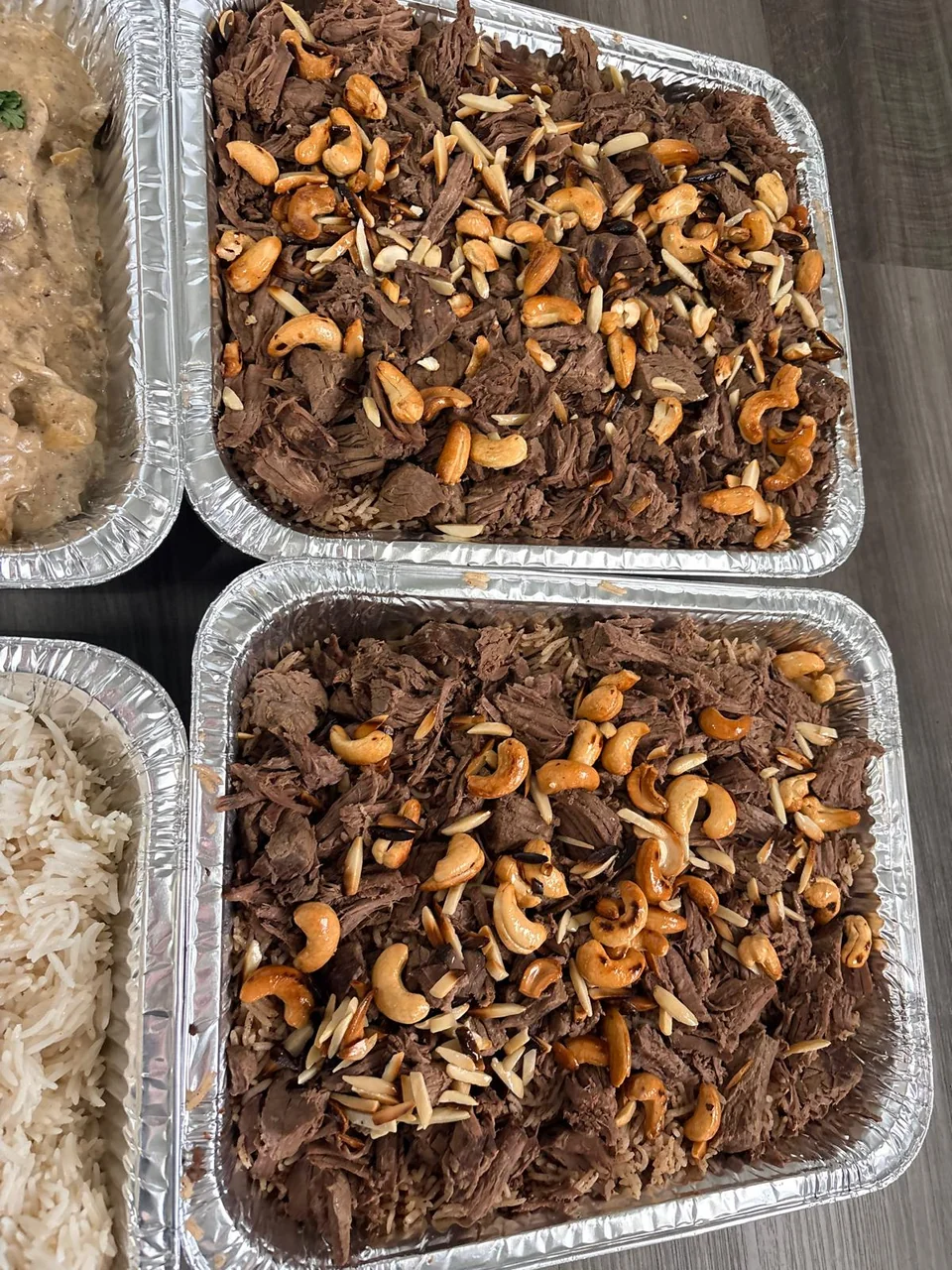
The chicken-and-rice and meat-and-rice photos show toasted nuts. Tabbouleh commonly contains bulgur. Pale sauces cannot be identified by appearance. These are reasons to ask, not complete ingredient lists. Check ingredients mixed into the dish, stock, dressing, garnish and any accompaniment.
Ask about preparation as well as ingredients
Removing a topping or using a separate container may not address a guest’s need. Ask whether ingredients, equipment and packing can meet the requirement. Do not assume a home kitchen provides a certified dietary preparation or a particular separation process; none has been verified for this website.
Keep preferences and confirmed changes distinct
You may prefer less chilli, a particular vegetable or a garnish on the side. Ask whether that adjustment is practical. A request becomes part of the order only after Z confirms it. Read the final menu back with the agreed changes so a preference does not remain buried in an earlier message.
Decide before paying
If a needed detail is unclear, resolve it before accepting the order and total. The website provides photos and an inquiry route, while the kitchen confirms the actual food. For a guest who needs a reliably verified accommodation, an unanswered ingredient question is a reason to wait for clarification, not infer suitability from the dish name.