Begin with the kitchen’s actual identity
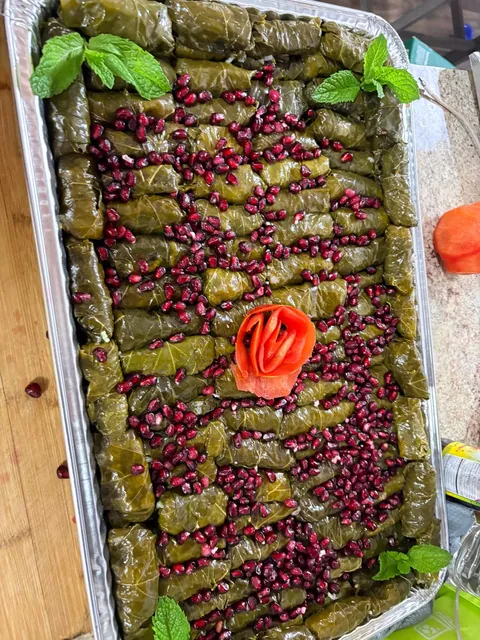
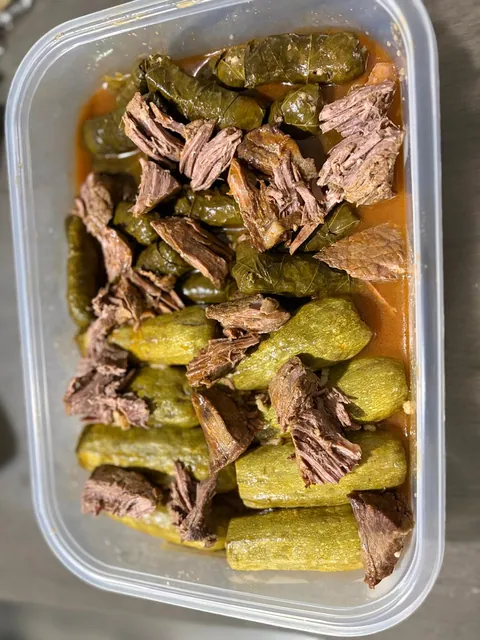
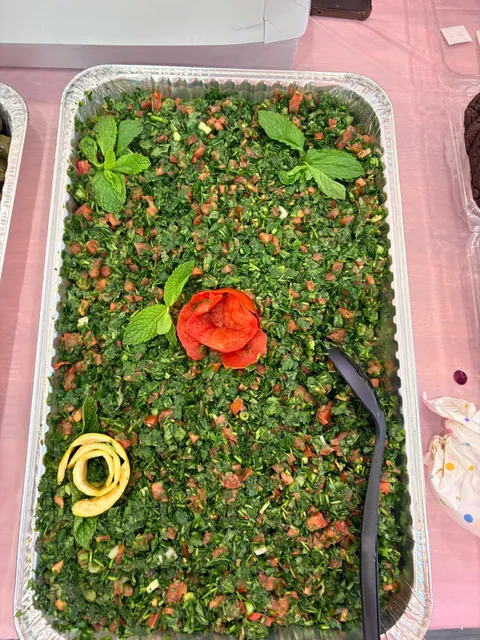
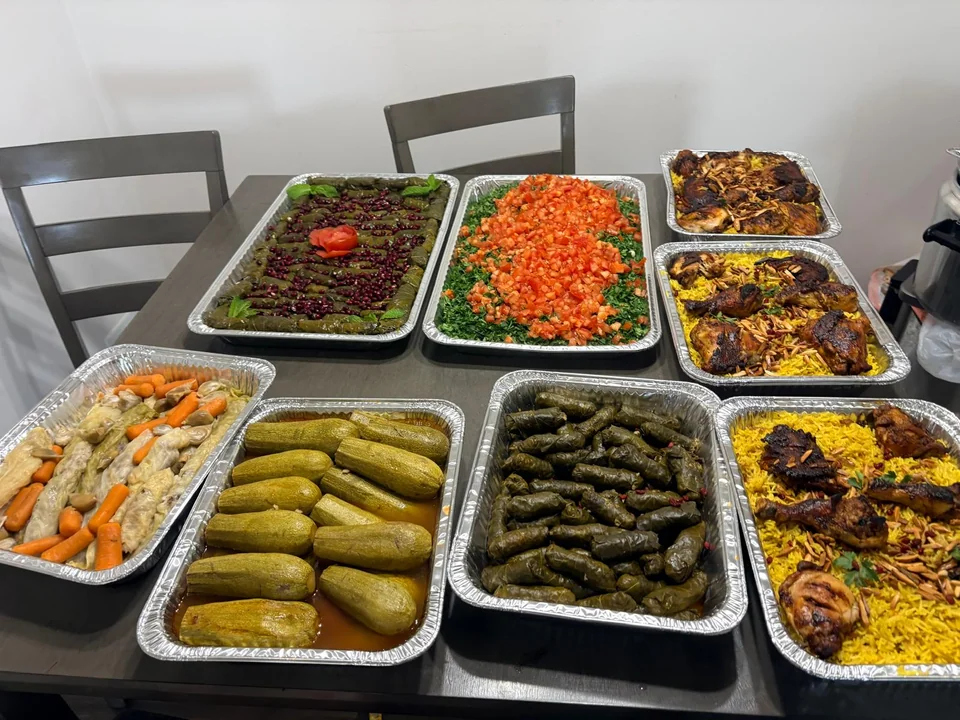
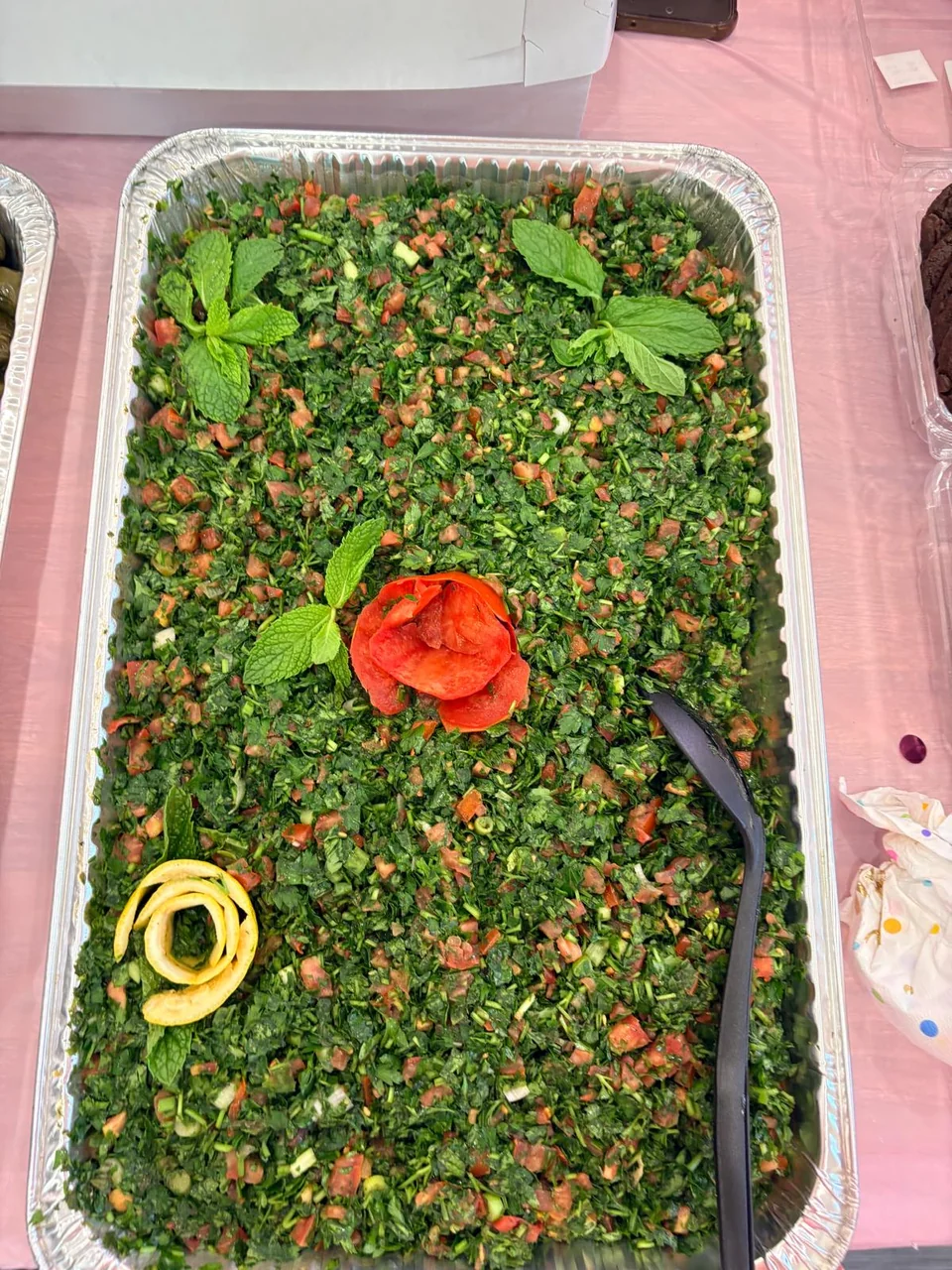
Z is from Lebanon, and the website’s food evidence is her own menu and photographs. That gives the site a clear Lebanese home-cooking focus. The gallery includes grape leaves, stuffed zucchini, chicken and rice, salad and other prepared meals. It does not establish that every food associated with a broad regional label is offered.
Use broad labels for discovery
Someone searching for Mediterranean food may want a different meal from someone searching for a particular Lebanese tray. Broad labels can connect related cooking traditions, but they are too wide to define an order. If you know the dish you want, use its name. If you do not, start with a gallery photo and ask Z to identify it.
Separate cultural context from a menu promise
Food traditions overlap, and family preparations vary. That makes it useful to discuss ingredients, method and serving style rather than treating a regional name as a complete recipe. The Palestinian and Iraqi cuisine pages on this site are educational request guides. They do not claim that Z offers every specialist dish from those traditions.
Ask for the version that matters to you
You may remember a particular filling for grape leaves, a sauce for zucchini or a rice preparation from home. Describe it directly. Ask whether Z makes that version and whether it is available for your date. A familiar food name can open the conversation while leaving room for an honest answer about the actual kitchen.
Bring the conversation back to dinner
Once the dishes are clear, confirm the number of people, serving format, date and city. Ask what is included and how the order will be arranged. Cuisine language helps you discover the food; a complete written order makes the meal concrete.