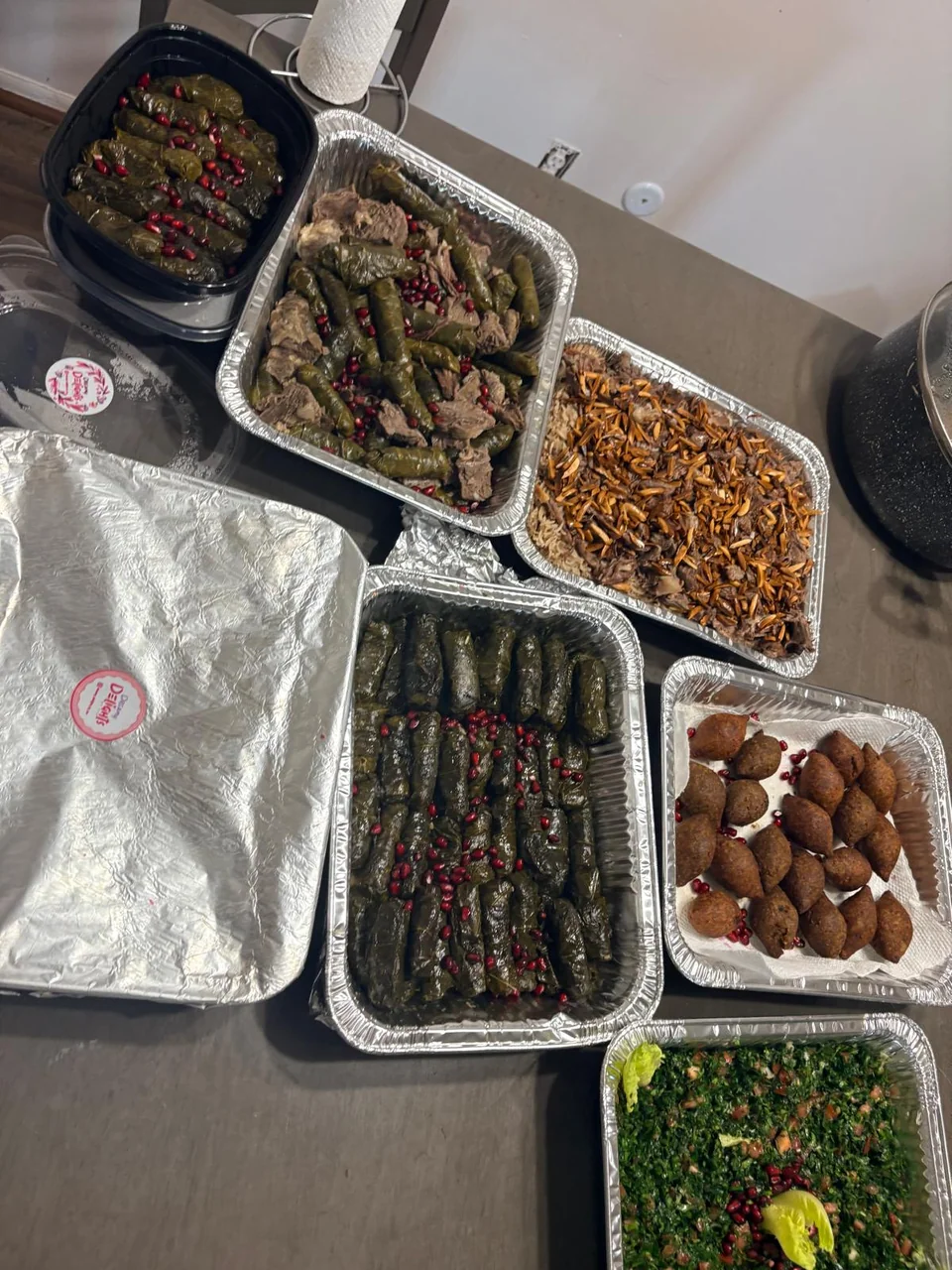
Choose the dish people are coming for
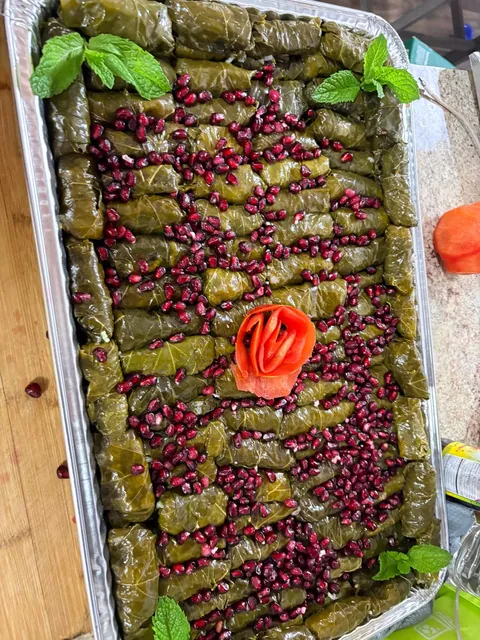
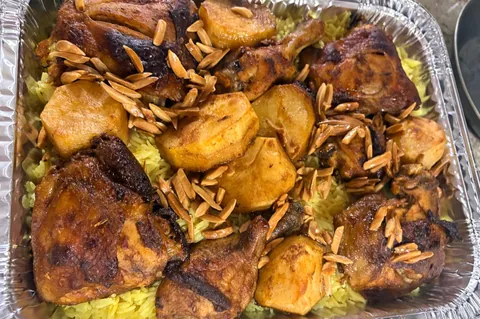
Start with the favorite that makes the meal feel right for your family. It might be grape leaves or chicken and rice. Tell Z which dish should carry the meal and which foods are optional additions. This helps the kitchen recommend a coherent order instead of a full amount of every dish.
Give each addition a job
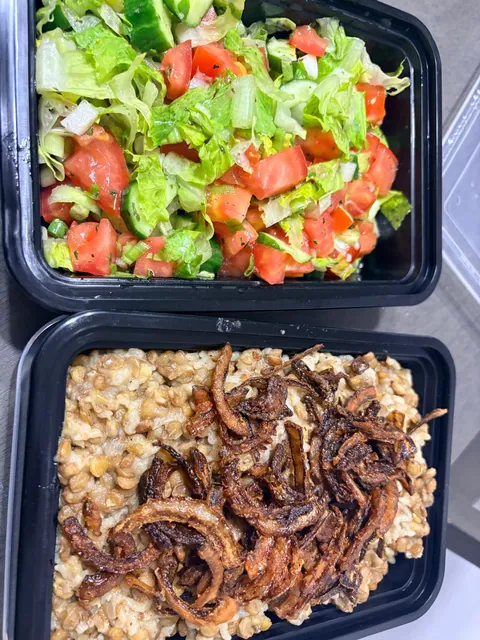
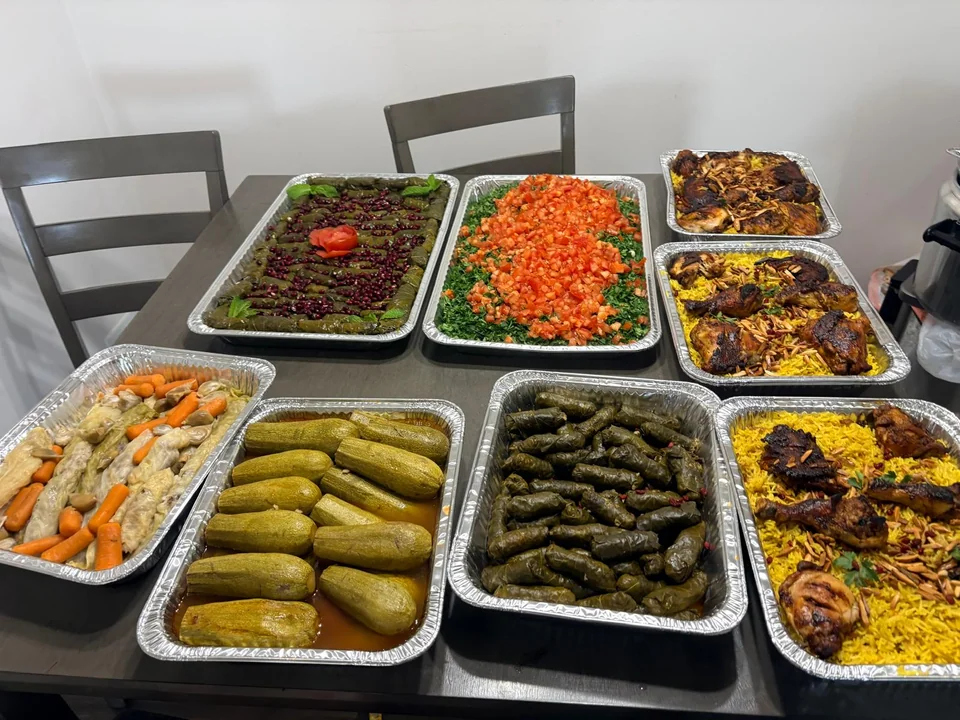
Tabbouleh brings a fresh element. A stuffed-vegetable tray adds another family favorite. A lentil meal may give someone a different main to discuss. These are planning roles, not dietary guarantees or fixed combinations. Ask what Z can prepare together for your date and what is already included with each dish.
Look for repeated ingredients
Rice may appear under chicken, with meat and inside some stuffed dishes. That does not mean you cannot serve them together; it means the quantity conversation should cover the whole menu. Ask whether an extra side is needed when the table already has several substantial dishes.
Make special requests before the menu is settled
If a guest has an allergy, avoids meat or needs another adjustment, explain the actual requirement. Confirm ingredients and preparation with Z. A separate meal can be discussed, but its suitability depends on more than a different container. Ask early enough for the kitchen to answer before the order is agreed.
Write one final menu
Collect the dishes, amounts, date, serving time and city in one message. Ask Z to confirm the total and arrangements. If you change a dish later, update the full list rather than leaving a chain of corrections. The goal is a meal both you and the kitchen can describe the same way.